2026-08-14
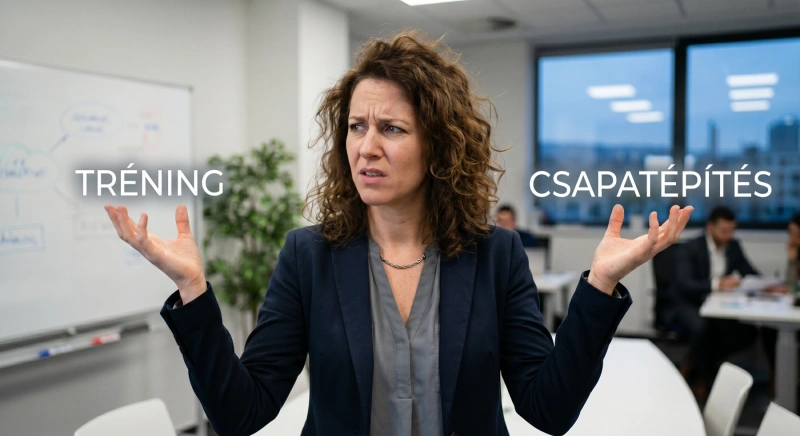
In HR and leadership practice, "training" and "team building" often get treated as the same thing in different packaging. In reality, the two formats answer different problems, and mixing them up often leads a company to pick the wrong tool for a given situation.
What's the real purpose of training?
Training focuses primarily on skill development, knowledge transfer, and building specific competencies – whether that's leadership skills, communication, or technical knowledge. Training success is typically measured by whether the participant can apply the learned tool in their daily work afterward.
What's the real purpose of team building?
Team building, by contrast, isn't about individual skill development – it's about strengthening the relationships, trust, and collaboration patterns between team members. Success here isn't measured by who learned something, but by how the team started operating differently with each other after the program.
When is training the right call?
- When a specific skill gap is identifiable (e.g. new leaders, weak feedback culture)
- When introducing a new process or tool requires knowledge transfer
- When the problem shows up at the individual level, not in the team's overall dynamic
When is team building the right call?
- When trust or communication within the team has been damaged
- When forming a new team or after an organizational restructure
- When the goal isn't individual knowledge, but the quality of how the team works together
Why doesn't team building work without leadership support?
An important, often overlooked point: the impact of team building drops dramatically if the leader doesn't actively stand behind it. If nothing changes in daily operations after the program – because the leader doesn't carry forward the lessons that surfaced – the team quickly starts to feel like it was just a fun break with no lasting effect. Training, by contrast, tends to depend less on leadership follow-up, since the individual skill stays with the participant regardless of what the leader does afterward.
Combination as the strongest solution
The best results often come from a deliberate combination of both formats: a team building program surfaces the patterns and trust level, and a targeted training then provides concrete tools to address the identified gaps. That's exactly why LifeTraining recommends clients think of the two formats not as mutually exclusive, but as complementary.
So the decision isn't about which one is "better" – it's about whether the problem stems from an individual skill gap or a team-level pattern of operating. Pinpointing that is the first and most important step in choosing the right program.

2026-09-11

2026-09-01
2026-08-14



2026-07-16