2026-06-17
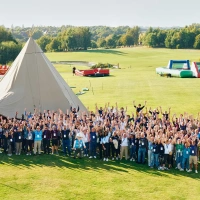
A half-day team building event creates a good mood, but a 2-3 day program takes team dynamics to a completely different level. The shared nights, evening conversations, and experiences spread across several days build a kind of connection that a single afternoon simply cannot replace.
1. Why is a 2-3 day team building event worth more than a half-day program?
A few-hour program is great for giving the team an energy boost for a day, but real, lasting connection takes time. A multi-day event provides exactly that: colleagues don't just work together on a set of tasks, they share their time, spaces, and moments with each other for days.
- deeper connection between team members
- informal conversations that everyday work schedules simply don't allow time for
- the defining role of evening programs in creating shared experiences
After a half-day program, colleagues go home and everyday life quickly pulls them back into their usual routine. A 2-3 day event, on the other hand, takes the team out of its comfort zone and builds shared memories that stay with them for weeks or even months afterward, carrying over into everyday work life as well.
Important: more time doesn't just mean more activities — it means more opportunities for team members to get to know each other as real people, not just as colleagues.
2. How is a successful two-day team building event structured?
A well-planned two-day program doesn't move from one element to the next by accident — the structure itself serves the team dynamic. The framework below has proven effective for creating a truly impactful two-day experience.
- Arrival: settling in, getting acquainted, easing tension from the very first minutes
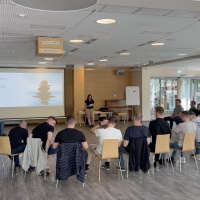
- Training block: focused, targeted development — communication, collaboration, or leadership skills
- Outdoor program: active, experience-based tasks that get the team moving
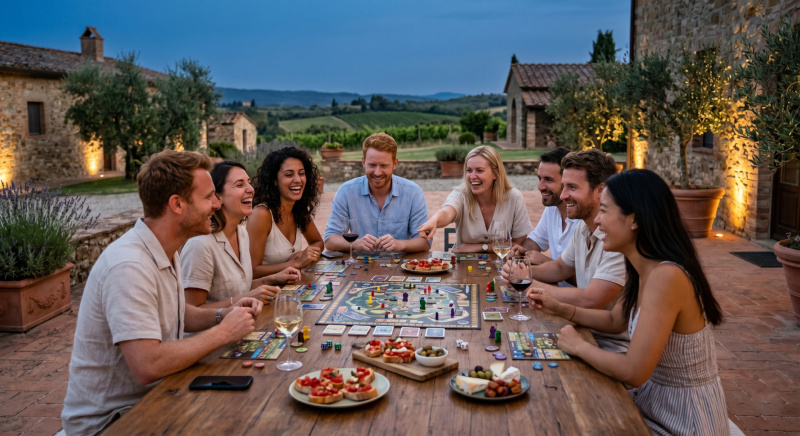
- Evening experience: a shared dinner, a more relaxed program where hierarchies temporarily disappear
- Closing: wrap-up, shared takeaways, final moments together before heading home
The order isn't random: after the active, developmental parts of the day, a more relaxed evening segment follows, giving the experiences and emotions gathered during the day room to settle and turn into genuine conversations.
3. Does the real team building start after dinner?
According to the experience of many HR and team leaders, the most valuable moments of the day often happen not in the training room, but around the dinner table. Once the structure and pace of the day's program eases off, colleagues naturally start opening up to one another.
- the importance of evening programs in creating a relaxed atmosphere
- shared experiences that turn into lasting memories
- genuine relationship-building that temporarily pushes workplace hierarchy into the background
These moments can't be scheduled down to the minute, but a good program provides the right framework: the right venue, a relaxed atmosphere, and enough time for these conversations to genuinely unfold.
If you'd like to bring a 2-3 day team building event to life in a truly professional way, it's worth trusting a team with real experience in this field.

2026-09-11

2026-09-01
2026-08-14


2026-07-16