2026-12-16
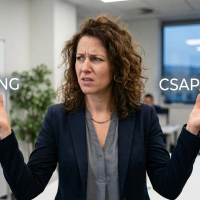
For many workplaces, the end of the year is not only about completing projects but also about tensions coming to the surface. Colleagues may become less patient, disagreements that were once easy to resolve can drag on, and a small misunderstanding may turn into a bigger argument. It is worth asking: are employees really having problems with one another, or are they simply under too much pressure?
Fatigue can change the way we react
When someone has been working under heavy pressure for a long time, they may have less energy left for patient communication and understanding other people's perspectives. A brief comment can feel more hurtful, a delayed reply may be interpreted as personal rejection, and minor mistakes can trigger stronger reactions.
Lack of communication increases tension
During busy periods, conversations and coordination are often the first things to disappear. Colleagues make assumptions, responsibilities may become unclear and decisions are more easily misunderstood. Unclear expectations and incomplete information can become sources of conflict in their own right.
How can you recognise a tired team?
- Impatient or easily misunderstood reactions become more frequent.
- People ask for help and support one another less often.
- Colleagues work separately and coordinate less.
- Small problems quickly turn into arguments.
- Humour, flexibility and shared initiatives become less common.
What can leaders do?
The first step is to understand what is causing the tension. Not every conflict can be solved with a shared activity. If workloads are unfairly distributed, responsibilities are unclear or communication problems are persistent, the underlying organisational issues also need attention.
Regular conversations, clear expectations and reviewing workloads can help prevent further tension. It can also be valuable to create opportunities for colleagues to talk about something other than their tasks.
Shared experiences can help bring a team closer
A well-chosen team-building activity allows colleagues to get to know one another in a different setting. A shared game, creative challenge or informal experience can help reduce distance and encourage new conversations.
However, the activity should reflect the team's current needs. A tense and exhausted group may not benefit from a highly competitive challenge. Calmer activities based on cooperation or relaxation may offer more value.
Teamwork is built in everyday interactions
Team relationships do not change because of a single event. A shared experience can be a useful starting point, but everyday work also requires attention, honest communication and mutual support.
LifeTraining's team-building and wellbeing programmes can help colleagues reconnect and find new ways to work together.


2026-10-11

2026-09-21

2026-09-11
2026-09-01
2026-08-14